Projects / R&D archive
Experiments, prototypes and the systems they informed.
Ozlin Info grew through hands-on work in computer vision, handwriting recognition, learning games and community software. This page keeps that history visible while clearly separating research prototypes from current client services.
These are R&D and portfolio artefacts, not invented client case studies, production benchmarks or a promise that every archived project is still maintained.
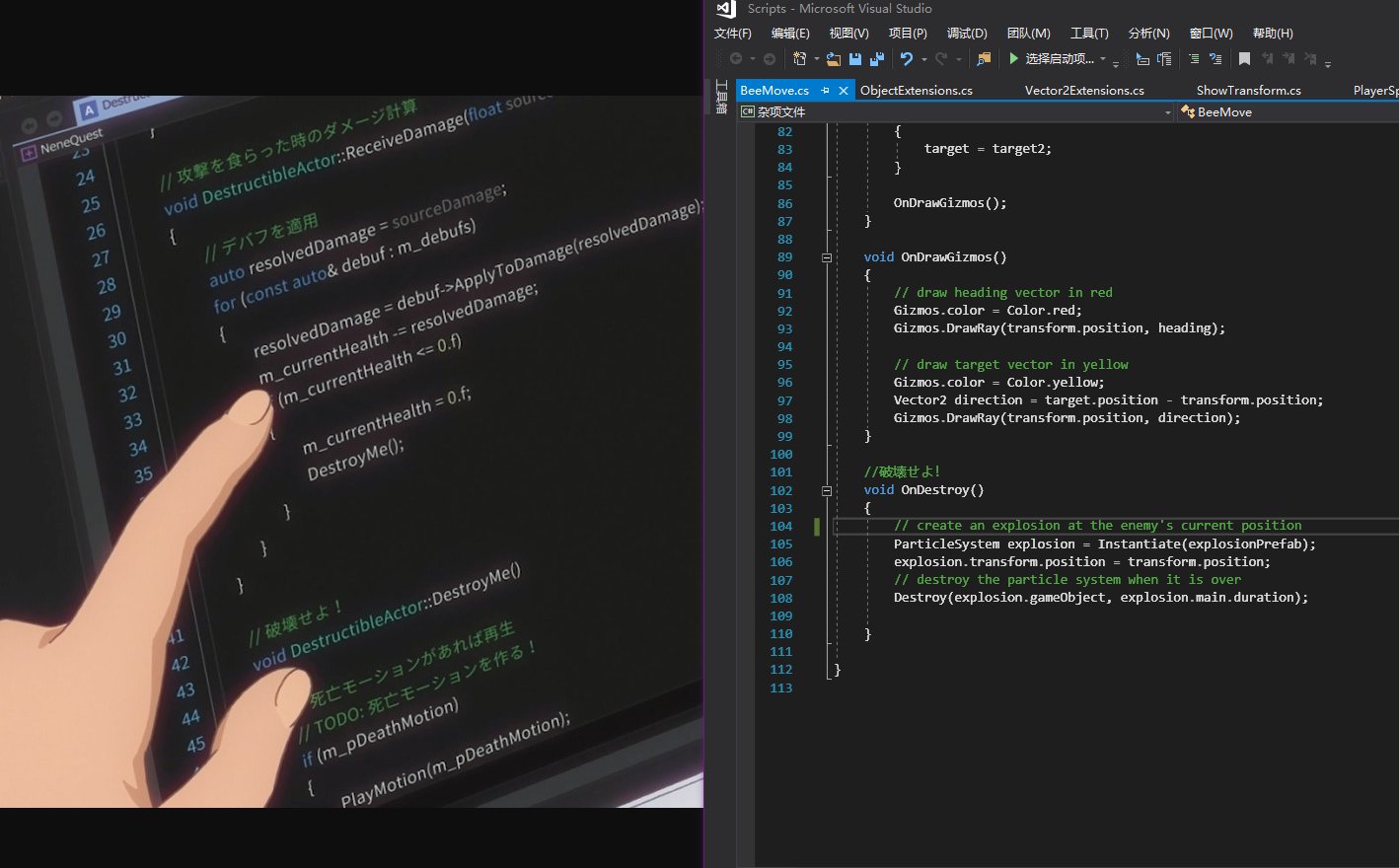
// 破壊せよ
01 / Computer vision & handwriting
Research code, kept in context.
These repositories document experimentation and learning. They are useful evidence of technical direction, but should be evaluated and modernised before any production use.
Python OpenCV OCR test zone
An independent testbed for optical character recognition, conventional computer-vision techniques and possible machine-learning directions. The repository is primarily notebooks and exploratory code, not a packaged product.
Handwritten mathematical expression recognition
A forked PyTorch research implementation exploring attention and coverage for recognising handwritten mathematical expressions. It is preserved as research history; its older dependencies and reported benchmark results should not be treated as a current production claim.
02 / Original game projects
Learning through play.
Before the current services focus, Ozlin Info shipped and prototyped educational and game-jam projects. The original screenshots below are retained as part of that development history.

Music Pom Pom
An original mobile music-learning game that paired colourful exercises with note, keyboard and musical-symbol recognition. Its former iOS and Android store listings have been retired, so this is an archive of the work rather than an unavailable download page.
A future successor remains a product idea, not an announced release.


Kanji Go
A Unity mobile-game prototype exploring how short interactions can support Japanese kanji learning. The surviving official preview remains available through the Ozlin Info YouTube channel.
Design thread
A line from the code became part of the brand.
The original code-cover image — including the Japanese comment // 破壊せよ — is deliberately preserved across the redesign. It connects the current studio to its New Game–influenced game-development roots.

Come Home Major Tom
A small game-jam project created around the idea of finding a way home. Its original title-screen artwork is retained here as a snapshot of rapid collaborative prototyping under a fixed deadline.
03 / Current direction
Bring the useful lessons forward.
The through-line is practical experimentation: understand the input, make uncertainty visible, preserve a human decision path, and leave the next maintainer with something they can operate.